
15 April 2021
Computer Age: Taxation of Cryptocurrencies
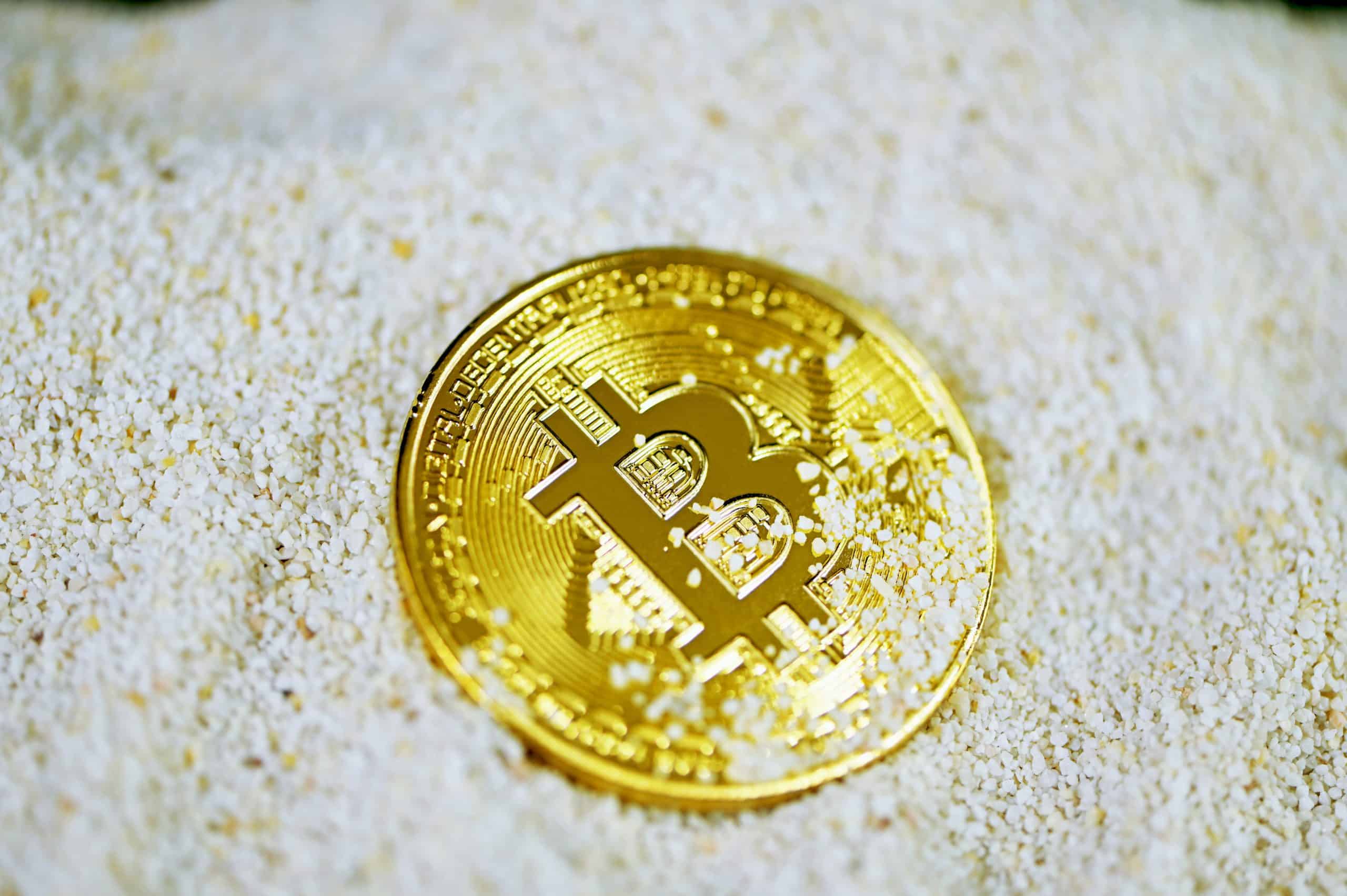
In the 21st century, cryptocurrencies have gained huge traction globally, particularly with the creation of Bitcoin in 2009. Evidence of this significant increase in demand is that there are now more than 4,000 cryptocurrencies to choose from.
However, despite this increasing popularity, a significant proportion of the population is still unsure as to what cryptocurrencies actually are, and whether they are worth investing in from a tax perspective.
Trading in cryptocurrencies certainly has its success stories with there now being an estimated 100,000 people with $1 million or more invested in bitcoin. However, you should take care when considering these investments as there is a large amount of volatility involved when dealing with these transactions. For instance, in January 2021 the total market value of all cryptocurrencies dropped by more than $100 billion over the space of just two days.
What are Cryptocurrencies?
HMRC published their most recent guidance regarding cryptocurrencies on 30 March 2021, where they defined cryptocurrencies as “cryptographically secured digital representations of value or contractual rights that can be transferred, stored and traded electronically”.
For a more comprehensible definition, cryptocurrencies are identified as a method of payment that can be used to purchase online goods and services.
Types of Cryptocurrencies
HMRC’s view on cryptocurrencies is continually developing in line with the increasing commercial awareness, although they have specifically stated that they do not consider cryptocurrencies to be money or a form of currency, but rather an asset an individual owns.
HMRC distinguish between four different types of cryptocurrencies, which are separated into the following categories:
- Exchange tokens – the vast majority of cryptocurrencies are of this type, where they are used to make payments, and provide no rights to goods or services (e.g. bitcoin).
- Utility tokens – provides the owner with access to a particular good or service (e.g. game tokens issued by a video game producer).
- Security tokens – gives the holder a right to certain interests in a business, such as a share of the profits.
- Stablecoins – coins that are fixed in relation to a specific asset, where this asset has a steady value.
- Forks – obtaining new tokens in addition to your existing tokens, due to a change in the blockchain protocol.
- Mining – solving “algorithmic puzzles involved in blockchain networks”.
- Staking – purchasing cryptocoins and then holding them for a set amount of time.
- Airdrops – acquiring a free token in your wallet.
- Crypto donations – donating cryptocurrency to charitable organisations.