
4 October 2018
Graham v HMRC – A Rare Tax Win for Holiday Lets
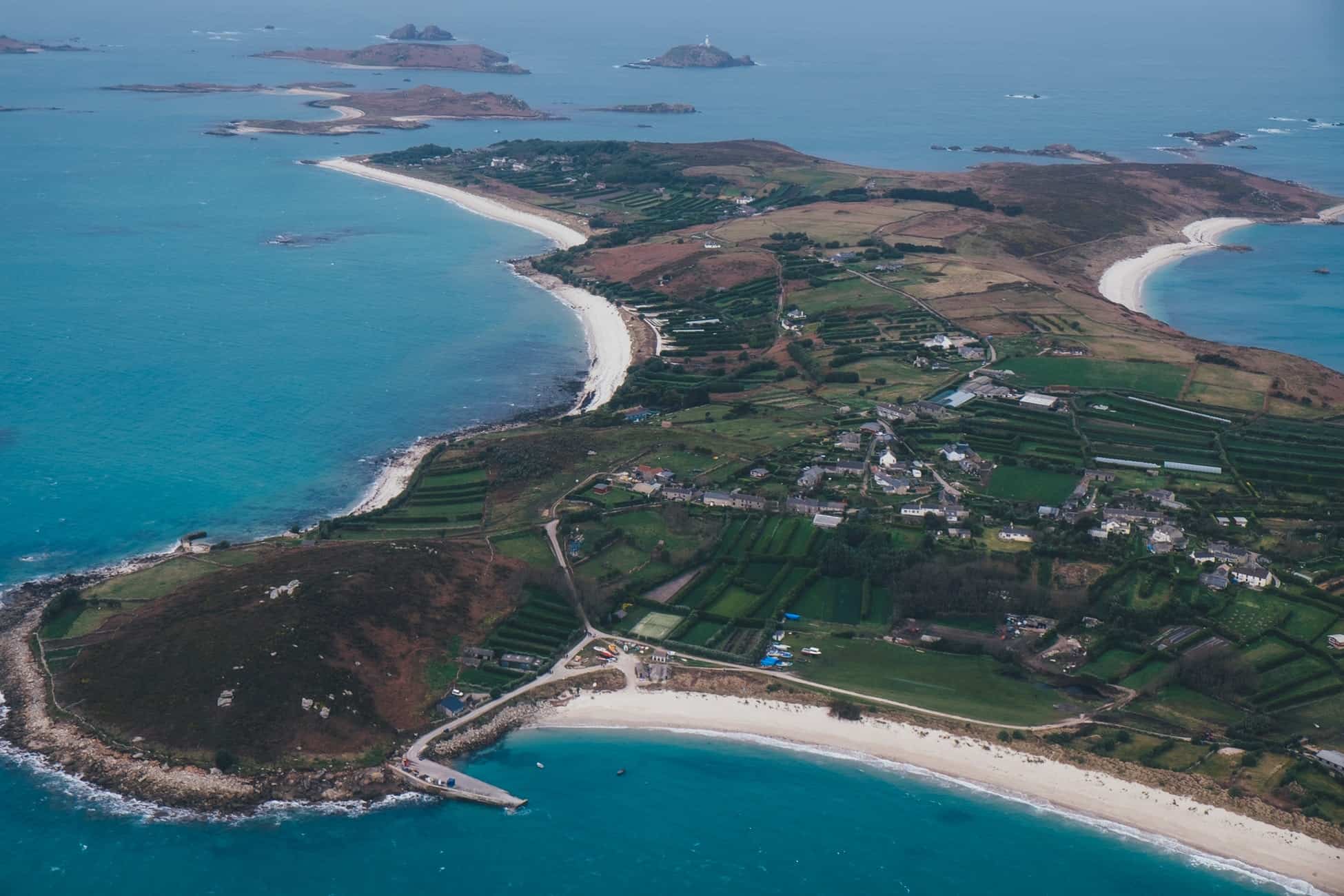
In a departure from recent cases regarding holiday lets, the First-Tier Tribunal (FTT) has ruled that a holiday let in the Isles of Scilly is eligible for business property relief (BPR) for inheritance tax (IHT).
Those looking to claim BPR on their own holiday lets may find this case instructive but should bear in mind that HMRC are likely to challenge claims until clearer precedents are set by higher tribunals or courts.
Background
- Grace Graham and her husband purchased a dilapidated farmhouse within an acre of land in St Mary’s on the Isles of Scilly in 1972.
- The farmhouse was renovated and extended before being used as B&B and then country house hotel up to 2003.
- From 2003, the business changed in response to increasing demand for self-catered holidays. Four self-contained flats were created with the main farmhouse used mostly for the family (though two rooms were used for guests and extended family as a B&B).
- Following the death of her husband in 2007, Grace’s daughter, Louise, returned to help run the property with Grace (who’s activities were more limited following a stroke in 2010).
- The business offered extensive amenities including: an exceptionally well designed and maintained garden with herbs, vegetables, and fruits available to pick, a large solar heated pool, board and video games, a sauna, laundry rooms, barbeque areas, a golf buggy, and bicycles.
- Guests’ flats were stocked with fresh flowers, home-made bread and marmalade, milk, tea, coffee, sugar, wine (and occasionally champagne), towels, linens, toilet rolls, soaps and shampoos, washing-up liquid and toilet bleach.
- The FTT also highlighted the personal care “lavished” by Louise and staff on guests including: greeting guests with tea, coffee, biscuits (and occasionally cake) for 30 minutes on arrival, hosting three to four BBQs a year, cakes for guests’ birthdays, cream teas for returning guests, organising events for weddings and anniversaries, taking in guests’ grocery deliveries whilst they were out, helping in emergencies, providing a taxi service to rescue guests lost on the island, and collecting fresh crab and fish (if requested).
- Less time was spent running the business as a holiday let compared to a hotel, but this was not a large reduction due to the extra time spent cleaning.
- Occupancy rates were high at between 83-94% in season and over 1/3 of these were return visits. The material reason the return visits was the welcome and help provided.