
24 January 2019
What’s the Story? – HMRC’s Updated Guidance on the Taxation of Cryptocurrencies/Cryptoassets
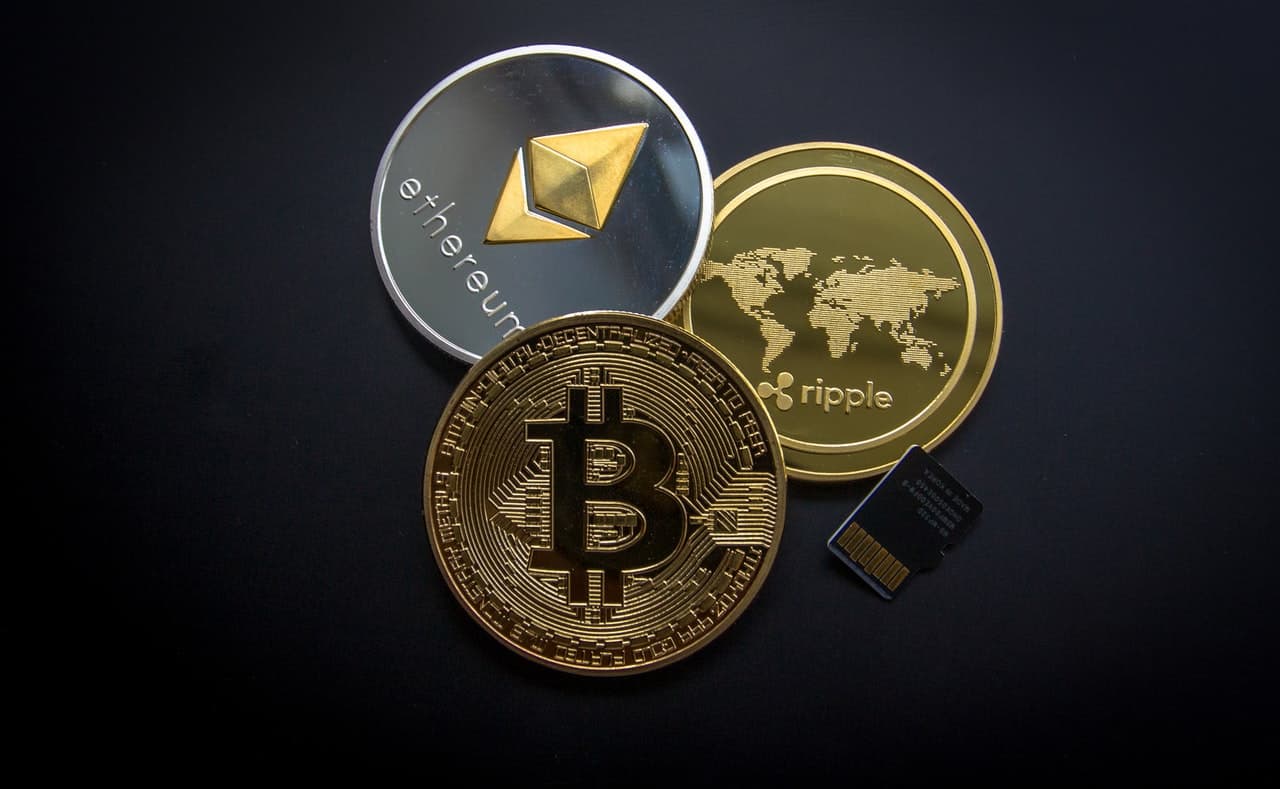
HMRC’s position with regards to the taxation of of cryptocurrencies or cryptoassets (such as Bitcoin, XRP/Ripple, Ethereum) has been an evolving area, as the wide range of forms and uses of these assets can make it difficult to determine the nature of a transaction, and therefore how a transaction should be taxed.
Previous guidance on the matter provided that the taxation of cryptoassets very much depended on the circumstances of the transaction in question. Whilst the same is still true, HMRC has recently issued more detailed practical guidance for individuals, which may provide more clarity going forward.
What is a Cryptoasset?
HMRC has confirmed that they do not consider cryptoassets to be currency or money. In a report undertaken by various government bodies, 3 types of cryptoassets have been identified:
- Exchange Tokens – intended to be used as a method of payment e.g. Bitcoin; these assets can be used as a means of exchange or investment.
- Utility Tokens – normally issued by businesses, who will commit to accepting the tokens as payment for goods/services.
- Security Tokens – provide the holder with particular interest in a business e.g. a share of business profits.
- an employer as a form of non-cash payment
- ‘mining’, transaction confirmation, or airdrops